
Subtotal $0.00

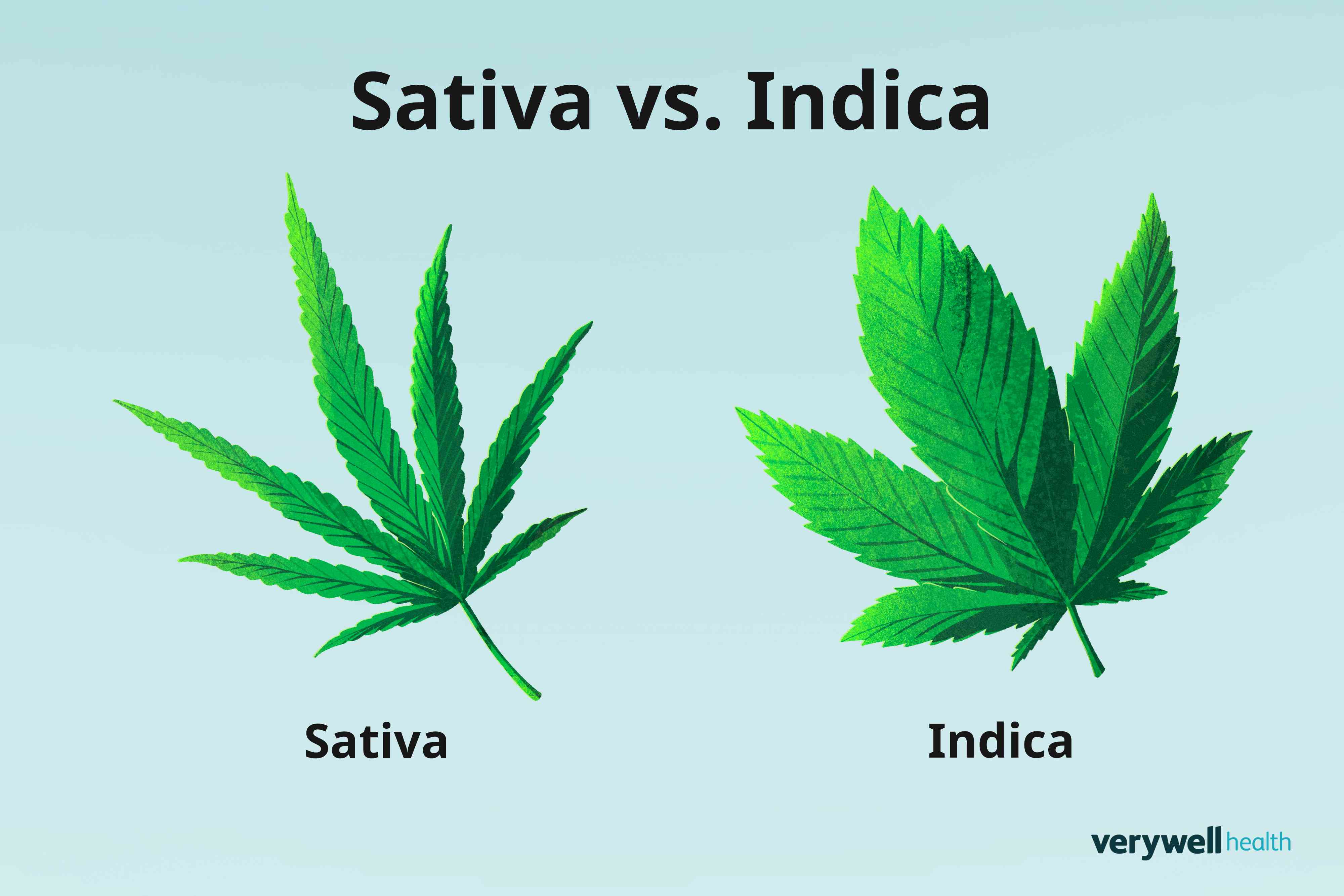
Overall, predominant indica and indica hybrid strains were the most commonly used strains for insomnia, whereas predominant sativa and sativa hybrid strains were used least for the management of insomnia symptoms. Descriptive statistics examining the percentage of each strain category (ie — predominant sativa, sativa hybrid, predominant indica, indica hybrid, balanced hybrid, or cannabidiol CBD) used for the management of insomnia symptoms across 24,189 tracked sessions are presented in Table 1. For inferential analyses, our primary analysis focused on the perceived efficacy of cannabis for the management of insomnia symptoms. First, we completed a descriptive analysis of the data set by generating information on the specific cannabis use profile for the management of insomnia symptoms. The sample comprised 42.6% (422/991) self-identified male participants and 56.1% (556/991) self-identified female participants (13/991, 1.3% of users did not report gender), ranging in age from 18 to 74 years (mean 36.32, SD 11.65). In this study, we examined the data of individuals who used medicinal cannabis to manage the severity of insomnia symptoms for the condition of insomnia.
RCTs are limited in cannabis research, so we are stuck with mostly observational studies. This figure highlights the percentage of individuals diagnosed with various psychiatric disorders within the past year, comparing cannabis users and non-users. Cases like this have been increasingly seen (raising relevant questions about the true effects of cannabis on depression), anxiety, PTSD, and other mental health outcomes. The authors declare no conflicts of interest and have no financial relationships with any pharmaceutical or cannabis companies. Oct. 27 (2021 — Researchers tested the effectiveness of affordable), interactive robotic pet cats to improve mood, behavior and cognition in older adults with mild to moderate dementia. Mar. 18, 2022, A new study shows that using cannabis products to treat pain, anxiety and depression failed to improve these symptoms while doubling the risk of developing the addictive symptoms of cannabis use …
Functional connectivity in brain networks underlying cognitive control in chronic cannabis users. A review of the effects of acute and chronic cannabinoid exposure on the stress response. Confirmation that the AKT1 (rs ) genotype influences the risk of psychosis in cannabis users. A naturalistic examination of the perceived effects of cannabis on negative affect.
Does cannabis work well for conditions such as insomnia, restless legs syndrome, or sleep apnea?
There were 11 (39%) experimental clinical trial studies (Table 3A) and 17 (61%) observational investigations (Table 3B) evaluating the effects of cannabis on overall sleep, with most employing self-reported questionnaires (surveys). The initial search dated from January 1946 to December 2020 using 2 databases , MEDLINE and EMBASE, identified 389 articles. The parameters for sleep analysis included reduced or increased sleep latency, decreased time spent awake after falling asleep, increased or decreased total sleep time, and changes in stage 3 or reported time in rapid eye movement sleep. Studies varied in their use of either objective polysomnographic findings or patient-reported outcomes. A trial flow diagram shows the number of identified, screened, and included studies.
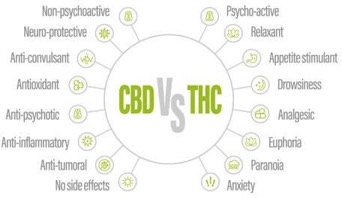
The findings revealed that OEA administration led to a reduction in overall sleep duration, particularly affecting REM sleep, regardless of the route of administration. Apart from their well-known benefits in alleviating chemotherapy-related symptoms (cannabinoids are increasingly used to treat medical conditions including chronic pain), cancer, anxiety, insomnia, and epilepsy . For instance, Δ9-THC, the mind-altering element of Cannabis, functions as a partial agonist of the cannabinoid receptors CB1 and CB2, whereas CBD, the second most prevalent phytocannabinoid, shows a limited affinity for CB1 or CB2 receptors, despite having the same molecular formula as Δ9-THC. The term cannabinoids (or phytocannabinoids), commonly refers to approximately 120 or more compounds identified in the trichomes of Cannabis sativa.
Δ9-tetrahydrocannabinol (THC) is present in the body between smoking sessions in occasional non-daily cannabis users. Persistent cannabis users show neuropsychological decline from childhood to midlife. Current addiction reports, 9(4), 473–485.
Effect of Cannabinoids on Sleep and Sleep Architecture
Interest has been sparked by the effects of CBD on sleep regulation, where low doses are associated with promoting sleep and cannabis legalization explained high doses are linked to inducing sedation. Indications from recent studies suggest that CBD acts as an inverse agonist of the CB2 receptor, which may clarify its anti-inflammatory effects, particularly because CB2 receptors are present in immune cells; hence, their inhibition likely results in decreased inflammation. To reinforce these findings (additional rigorously designed trials involving larger), more diverse clinical populations, such as women and those with non-trauma-related nightmare disorders, are necessary. Many cannabis users, however, despite methodological issues, indicate that improving sleep quality is a key reason for their cannabis use.
Notably, studies have revealed heightened levels of 2-AG in sleep-deprived healthy young adults . The authors thank the assistance provided by Ana Paula Fernandes. Subsequently, the AASM issued a new response article cautioning against the use of cannabis for OSA, stating that the current evidence is not yet sufficient to treat this disease. However, as pointed out by French authors,71,72 the self-reported evaluation of the benefit of cannabis use could have been distorted by the psychoactive properties of cannabis.
Commonly Asked Questions
Substitution of medical cannabis for pharmaceutical agents for pain — anxiety, and sleep. Nighttime insomnia symptoms and perceived health in the America Insomnia Survey (AIS). Liu Y (Wheaton AG), Chapman DP, Cunningham TJ, Lu H, Croft B. Prevalence of healthy sleep duration among adults—United States, 2014. Similarly, most participants reported using cannabis for sleep for over one year so the extent to which the findings would generalize to less experienced users is unclear.
Impact of Combined Cannabinoid Products on Insomnia
The other authors have no conflicts of interest to disclose. Forty mild, nonserious, adverse events were reported (36 during ZTL-101) with all but one resolving overnight or soon after waking. No serious adverse events were reported. Adjusted mean differences between placebo and ZTL-101 were calculated. Summary of effect of cannabis and THC on sleep architecture (short term — long term and effects of withdrawal of cannabis)
The findings from this study do not demonstrate a convincing beneficial effect of CBD on RBD; rather, they highlight the waxing and waning natural history of RBD. Enactment of these dreams can result in punching — kicking, vocalisation and falling out of bed.56 RBD frequently causes injury to the individual or their bed partner.57 Although based on small randomised trials, recommended treatments for RBD include clonazepam and melatonin.58 However, the success of these medications is limited, with benefits often waning over time. The most frequent adverse events reported were sleepiness — headache, nausea/vomiting and dizziness, and the majority of the events were rated as mild (73%), with only 2% rated as severe.50 No serious adverse events were reported in the proof of concept trial,49 and one possibly treatment related (diarrhea and vomiting requiring hospitalization) was reported in the randomized control trial.50 On balance (it is apparent from the limited data in healthy), predominantly cannabis naïve participants, that the evidence in relation to the effect of cannabinoids on sleep quality is mixed and more well-controlled studies of individual and combined cannabinoids in broad and refined populations are required. As the review was focused on the utility of cannabis for clinical use (the search was limited to clinical research), except in the cases of obstructive sleep apnea, narcolepsy and idiopathic hypersomnia where some preclinical data is discussed.
Recent findings
Inclusion criteria were article of any type (published in English), a target population of cannabis users, and reported data on cannabis effect on sleep and sleep disorders. It is worth noting that the focus of the current review was limited to clinical studies where sleep or a sleep disorder symptom was the focus. As very few randomized controlled trials have been conducted (much of the available evidence arises from uncontrolled), unblinded trials of short duration, and case series. However, like most studies investigating RBD, this study relied on reports of RBD activity frequency from the participant or bedpartner.
Conversely, limited success has been reported in human clinical trials involving the synthetic cannabinoid dronabinol. The combination of THC and CBD was shown to decrease total sleep duration (reduce REM sleep length), and postpone the onset of REM sleep, while not affecting subjective sleep quality. Despite its prevalent use, our analysis revealed that adequate research to endorse medical cannabis for treating sleep disorders is still lacking.
Users of cannabis have reported healthier scores in the global PSQI and in specific categories like subjective sleep quality, sleep latency, and sleep disturbances when compared to non-users, with statistical significance. Our study involved 173 participants, including 42 who used cannabis and 131 who did not, and they completed the Pittsburgh Sleep Quality Index (PSQI), which is the most widely used self-reported assessment of sleep quality. Preferences regarding cannabis strains and cannabinoid concentrations among users of medicinal cannabis facing sleep disturbances. The effects of Δ-9-tetrahydrocannabinol and cannabidiol on nighttime sleep and behavior in the early morning among young adults. Medical applications of cannabis for sleep disorders and associated conditions.
Comments are closed